
Buying or selling property is one of the most significant financial decisions you’ll make. While many people work closely with a real estate agent and mortgage lender, they often wonder: What does a property lawyer actually do?
The answer is simple—a property lawyer ensures that your real estate transaction is legally sound, protects your interests, and helps prevent costly problems before, during, and after closing.
Whether you’re purchasing your first home, selling a property, refinancing your mortgage, or investing in real estate, a property lawyer plays an essential role in making the process smooth and secure.
What Is a Property Lawyer?
A property lawyer (also known as a real estate lawyer) specializes in the legal aspects of buying, selling, transferring, and financing real estate. Their responsibility is to ensure that every part of the transaction complies with the law and that your ownership rights are protected.
Unlike a real estate agent, who helps you find or market a property, a property lawyer focuses on the legal details behind the transaction.
Key Responsibilities of a Property Lawyer
1. Reviewing the Purchase Agreement
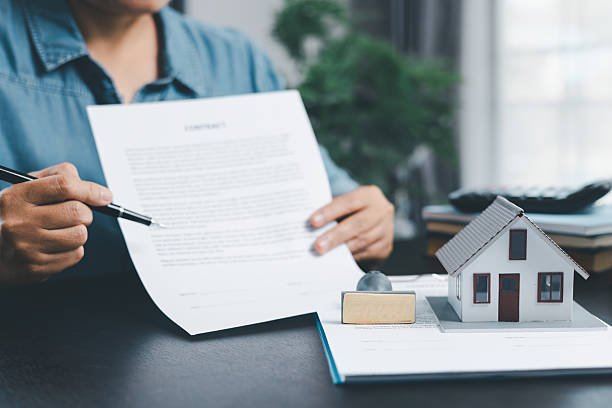
One of the first tasks is reviewing the Agreement of Purchase and Sale.
A property lawyer carefully examines the contract to ensure:
- The terms are legally valid.
- Important conditions are clearly stated.
- Your legal rights are protected.
- There are no unexpected obligations or clauses.
If necessary, they explain the legal language so you fully understand what you’re signing.
2. Conducting a Title Search
A title search is one of the most important steps in any real estate transaction.
The lawyer checks whether:
- The seller has the legal right to sell the property.
- There are registered liens or unpaid debts.
- Easements affect the property.
- Ownership records are accurate.
- There are restrictions that could impact future use.
Identifying these issues before closing can save buyers from expensive legal disputes later.
3. Preparing Legal Documents
A property transaction involves numerous legal documents.
Your lawyer prepares and reviews documents related to:
- Transfer of ownership
- Mortgage registration
- Statements of adjustments
- Closing documents
- Land registration requirements
Every document must be accurate before the transaction can be completed.
4. Managing the Closing Process
Closing day is when ownership officially transfers from the seller to the buyer.
Your property lawyer coordinates with:
- The seller’s lawyer
- Your lender
- Your real estate agent
- Government land registration offices
They ensure all documents are signed, funds are transferred correctly, and legal requirements are completed on time.
5. Registering Ownership
Once the transaction is complete, the lawyer registers the property in your name with the appropriate land registry.
This confirms your legal ownership and ensures public records accurately reflect the transfer.
6. Calculating Closing Costs
Many buyers are surprised by expenses beyond the purchase price.
A property lawyer helps explain and calculate costs such as:
- Legal fees
- Land transfer taxes (where applicable)
- Registration fees
- Title insurance
- Property tax adjustments
- Utility adjustments
Knowing these costs in advance helps buyers budget more effectively.
7. Protecting Your Interests
Perhaps the most important responsibility is identifying legal risks before they become major problems.
A property lawyer helps protect you from:
- Title defects
- Fraud
- Contract disputes
- Registration errors
- Boundary disputes
- Outstanding liens
- Ownership conflicts
Their goal is to ensure you receive clear legal ownership of the property.
When Should You Hire a Property Lawyer?
Ideally, you should involve a property lawyer as early as possible in the transaction.
Early legal advice allows time to:
- Review contracts before signing.
- Address legal concerns.
- Resolve title issues.
- Avoid last-minute delays before closing.
Waiting until the final days before closing can limit the time available to resolve unexpected issues.
Why Hiring a Property Lawyer Matters
Real estate transactions involve significant financial and legal responsibilities. Even a small oversight can lead to delays, unexpected expenses, or disputes after closing.
A property lawyer provides peace of mind by ensuring that:
- The transaction complies with applicable laws.
- Your rights are protected.
- Legal documents are accurate.
- Ownership transfers correctly.
- Potential risks are identified and addressed before closing.
Final Thoughts
A property lawyer does far more than review paperwork. They act as your legal advisor throughout one of life’s most important transactions, ensuring every step is handled correctly and your investment is protected.
Whether you’re buying your first home, selling a property, refinancing a mortgage, or transferring ownership, having an experienced property lawyer by your side can make the process simpler, safer, and less stressful.
When it comes to real estate, professional legal guidance isn’t just helpful—it’s an important investment in protecting your future.